
We explore the role of nature in a changing world, studying how ecosystems function, what they could become, and why they matter for humanity. We work across three interconnected themes:
- Understanding the fundamental structure, functioning, and biodiversity of natural systems
- Mapping nature’s potential by quantifying how much carbon, biodiversity, and ecosystem complexity the Earth could support to guide restoration and conservation
- Quantifying how nature sustains the pillars of human society, from climate stability and food security to water, health, and economic resilience
To do this, we combine experimental, meta-analytical, and modelling approaches, drawing on global datasets, remote sensing, and field observations. Our work spans scales from the seasonal timing of individual trees to the carbon stocks of entire biomes — and from the functioning of ecosystems to their role in stabilizing the climate, securing food and water, and sustaining the economies and health of human societies.
We’re located at the Institute of Future Initiatives of the University of Tokyo and the BRANCH Institute.
Prof. Constantin Zohner
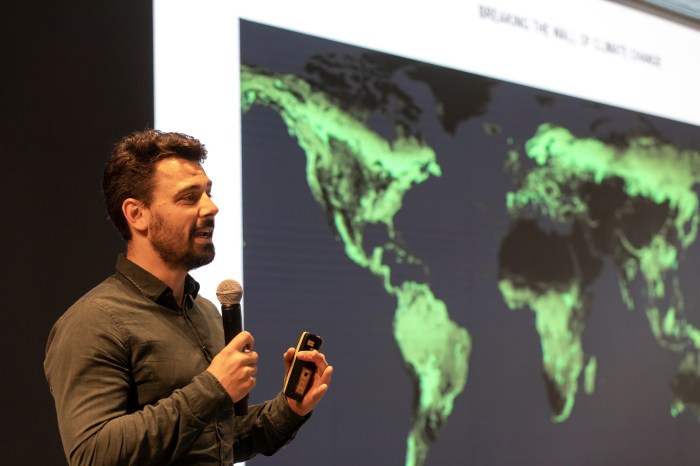
My research explores how ecosystems change across time and space — and what this means for the climate, for biodiversity, and for people. Combining experimental, meta-analytical, and modelling approaches, I investigate fundamental questions in ecosystem functioning, phenology, and the feedbacks between nature and the climate system. A central focus of my current work, supported by a European Research Council (ERC) Consolidator Grant, is understanding how winter warming affects forest dynamics and ecosystem functioning globally.
Ultimately, I strive toward a world where nature is truly valued — where we recognize that humanity can only have a sustainable future by making nature the foundation of our economic solutions. I am Research Director of the BRANCH Institute and Associate Professor at the University of Tokyo.
 Zohner lab